 +91 9380344310
 nervecareofficial@gmail.com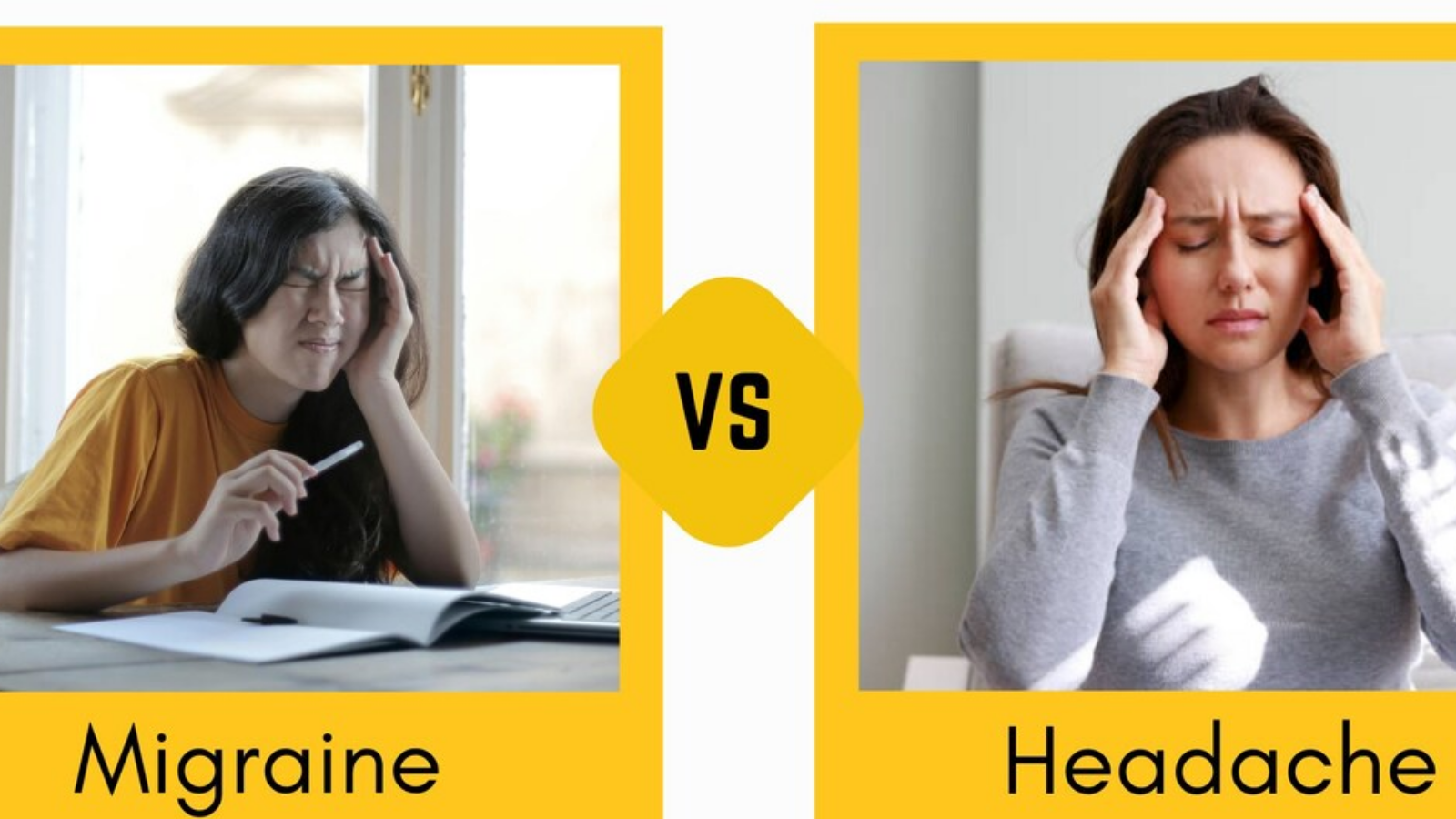
Written by Dr. Chakradhar Reddy N, MBBS, DM Neurology — Consultant Neurologist & Parkinson's and Movement Disorder Specialist, Nerve Care Clinic, Puppalaguda, Hyderabad
Migraine is one of the most misunderstood conditions in neurology — and one of the most undertreated. The reason is partly linguistic: 'migraine' has become a casual word for any severe headache, and 'headache' has become a catchall for anything from mild dehydration-related pressure to a debilitating neurological attack that puts someone in bed for two days.
The result of this confusion: people with genuine migraine — a specific neurological condition with specific features, specific triggers, and specific treatments — spend years managing it with over-the-counter painkillers that don't fully work, when treatments that would actually help are available. And people with headaches that have serious underlying causes dismiss them as 'just migraine' because they are severe. Let me separate these clearly.
What Is a Headache?
'Headache' in the medical sense covers a very broad category — over 150 types of primary and secondary headache disorders are classified by the International Headache Society. The two most common primary headache disorders — conditions where the headache itself is the disease, not a symptom of something else — are tension-type headache and migraine.
Tension-Type Headache — The Most Common Kind
Tension-type headache (TTH) is what most people mean when they say they have a 'normal' headache. Its features are:
- Location: bilateral — felt on both sides of the head, often described as a band or tight pressure around the skull
- Character: dull, pressing, tightening — not throbbing, not pulsing
- Intensity: mild to moderate — uncomfortable but does not stop daily activity in most cases
- Duration: 30 minutes to several hours
- Not typically worsened by physical activity
- Nausea is uncommon; photophobia or phonophobia may be mild
Tension-type headache is caused by a combination of muscle tension, stress, posture, dehydration, and screen exposure. It generally responds to paracetamol, ibuprofen, rest, and stress reduction. When someone says 'I just need to drink more water and my headache goes away,' they are usually describing tension-type headache.
Migraine — A Neurological Condition, Not Just a Bad Headache
Migraine is a distinct neurological disorder characterised by recurrent attacks of moderate to severe headache, typically accompanied by other neurological and autonomic features. The International Headache Society's diagnostic criteria for migraine without aura require at least 5 attacks with specific features — but the clinical picture is usually clear without needing to count episodes.
The features that distinguish migraine from tension-type headache:
- Location: often unilateral — one side of the head, though bilateral migraine exists. The side may switch between attacks.
- Character: throbbing or pulsating — patients describe the pain as 'beating' with each heartbeat
- Intensity: moderate to severe — most patients cannot continue normal activities during a migraine attack
- Duration: 4 to 72 hours if untreated or inadequately treated
- Worsened by physical activity — walking upstairs, bending over, or any mild exertion intensifies the pain
- Associated features: nausea (very common), vomiting, photophobia (severe sensitivity to light — patients retreat to dark rooms), phonophobia (sensitivity to sound)
Migraine with Aura — The Neurological Pre-Warning
Approximately 25–30% of people with migraine experience aura — a set of reversible neurological symptoms that develop over 5 to 20 minutes and precede or accompany the headache. The most common aura is visual: flickering lights, zigzag lines, blind spots, or kaleidoscopic patterns in the visual field. Other aura types include:
- Sensory aura: tingling or numbness spreading from the hand up the arm to the face
- Speech aura: difficulty finding words or speaking clearly
- Motor aura: weakness in one limb — this pattern (hemiplegic migraine) must be distinguished from stroke
Aura symptoms are caused by a wave of electrical activity followed by suppression that spreads across the cortex — a phenomenon called cortical spreading depression. The symptoms are temporary, but they can be frightening, particularly the first time they occur. Several patients have presented to Nerve Care Clinic convinced they were having a stroke — only for careful assessment to identify a first aura episode.
Chronic Migraine — When the Threshold Drops
Episodic migraine becomes chronic migraine when attacks occur on 15 or more days per month, with at least 8 days meeting migraine criteria. Chronic migraine is significantly disabling — it affects work, sleep, relationships, and quality of life in ways that occasional severe headaches do not.
One of the most important — and least recognised — contributors to chronic migraine is medication overuse headache (MOH). When painkillers (particularly triptans, codeine-containing medications, or even regular paracetamol and NSAIDs) are taken on more than 10–15 days per month, the brain adapts and headache frequency increases paradoxically. The medication that was initially providing relief begins generating headache. MOH is common, underrecognised, and one of the first things I address when patients describe headaches that have become more frequent over months despite taking more medication.
What Triggers Migraine — and Why This Is Clinically Relevant
Migraine attacks in susceptible individuals are triggered by specific factors that lower the threshold for attack. Common triggers include:
- Sleep disruption — too little or too much sleep, shift work, irregular sleep schedules
- Skipped meals and fasting
- Dehydration
- Hormonal changes — particularly perimenstrual migraine in women, which is one of the most treatment-resistant migraine patterns
- Bright lights, screen glare, LED lighting
- Strong smells — perfume, petrol fumes, cigarette smoke
- Weather changes — barometric pressure drops
- Stress and stress letdown ('weekend migraine' is common in working professionals)
Identifying individual triggers through a headache diary is a fundamental part of migraine management. Treatment without trigger identification is managing attacks after they start — not reducing how often they start.
When Should Migraine Be Treated by a Neurologist
Most people with infrequent episodic migraine (one or two attacks per month) manage adequately with over-the-counter medications and trigger awareness. You should see a neurologist for headache when:
- Attacks are occurring on 4 or more days per month — at this frequency, preventive treatment is likely to make a meaningful difference
- Acute medications are not working well enough or are being taken too frequently
- Migraine is affecting work, sleep, or quality of life significantly
- You have never had a proper diagnosis — you have been self-treating what you assume is migraine without a neurologist confirming it
- The headache pattern has changed — new features, different location, new associated symptoms
- You have migraine with aura and are on the combined oral contraceptive pill — this combination significantly increases stroke risk and requires medical review
Treatment — What Is Actually Available
Effective migraine treatment operates on two levels. Acute treatment stops or reduces an ongoing attack — triptans (sumatriptan, rizatriptan, eletriptan) are the most effective acute migraine medications, significantly more effective than paracetamol or ibuprofen in most patients. Preventive treatment reduces the frequency and severity of attacks — options include propranolol, topiramate, sodium valproate, amitriptyline, and, for chronic migraine specifically, Botox injections (onabotulinum toxin A) administered every 12 weeks. I administer Botox for chronic migraine at Nerve Care Clinic. Book a consultation at Nerve Care Clinic, Puppalaguda — call or WhatsApp +91 9380344310. Evening appointments Monday to Saturday, 6:00 PM to 9:00 PM.
Frequently Asked Questions
1. How do I know if I have migraine or tension headache?
A: The key differentiators: migraine is typically one-sided, throbbing, moderate to severe, worsened by movement, and accompanied by nausea or light/sound sensitivity. Tension headache is bilateral, pressing, milder, and not worsened by movement. Many people have both — a neurologist assessment clarifies which is which and guides treatment accordingly.
2. Is migraine curable?
A: Migraine is a chronic neurological condition — it cannot be cured, but it can be very effectively controlled. Many patients achieve 50–80% reduction in attack frequency with appropriate preventive treatment. Some patients have natural improvement over years, particularly women after menopause. The goal of treatment is long-term management, not cure.
3. Can children get migraines?
A: Yes. Migraine is common in children and adolescents — often presenting as stomach aches, vomiting, or motion sickness in younger children before a clear headache pattern emerges. Paediatric migraine frequently has a bilateral distribution and shorter attack duration compared to adults. A paediatrician or neurologist can assess and manage this.
4. Does Botox work for migraine?
A: Onabotulinum toxin A (Botox) is an evidence-based, NICE-approved treatment specifically for chronic migraine (15 or more headache days per month). It is administered as injections around the head, neck, and shoulder every 12 weeks. Clinical trials show approximately 50% of patients achieve at least 50% reduction in headache days. It is not appropriate for episodic migraine.
5. Can migraine cause vision problems?
A:Yes — migraine aura can cause temporary visual disturbances including flickering lights, zigzag lines, and blind spots. These are neurological in origin and are reversible. Persistent visual disturbance, sudden visual loss, or visual symptoms accompanied by other neurological features require urgent assessment to exclude other conditions.